Disclosure: Some links in this article are affiliate links. If you buy through them, The Stackora may earn a commission at no extra cost to you. We only point to a service where it fits the problem being discussed.
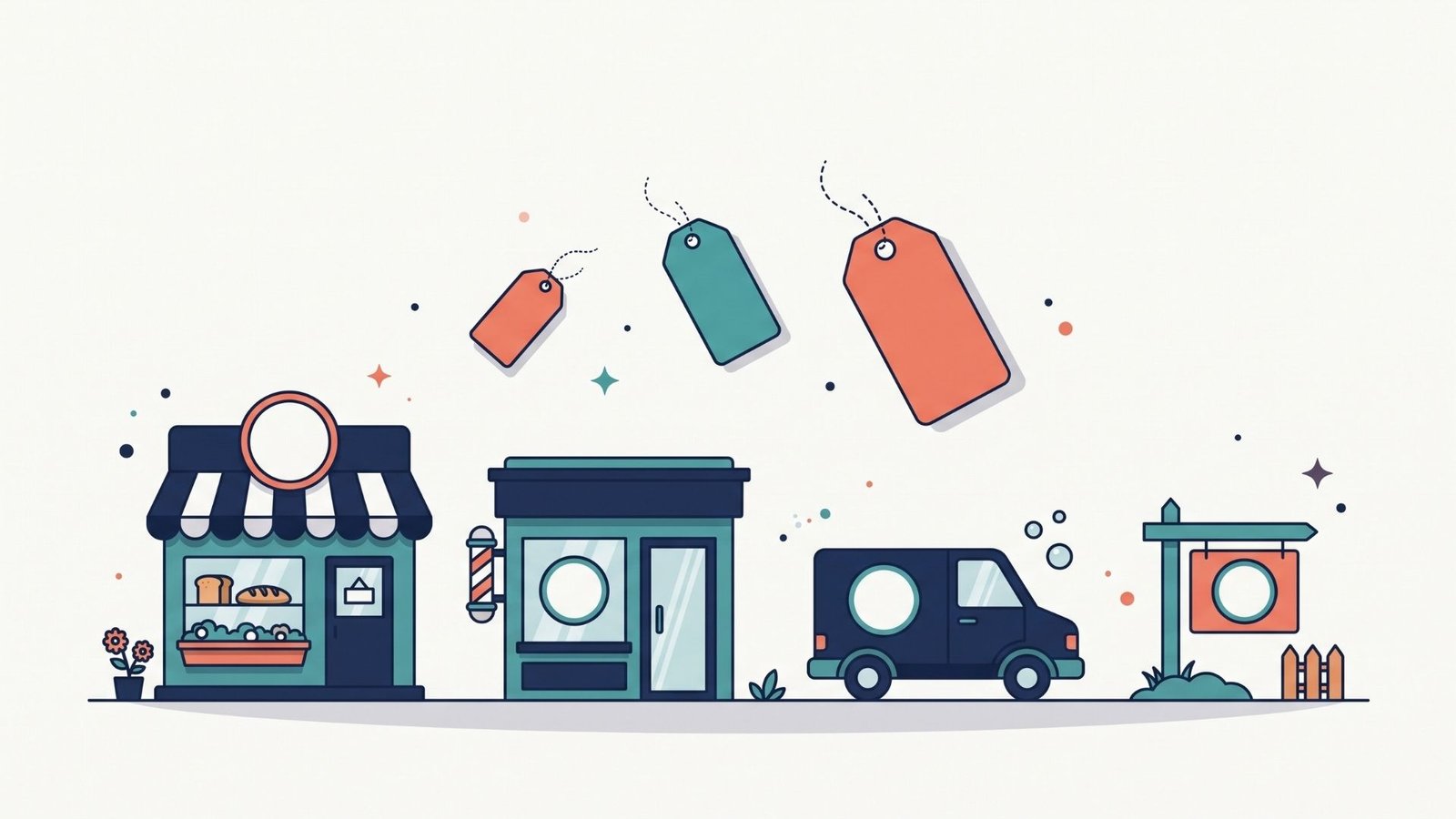
You can get a logo for $20 from an AI generator this afternoon. You can also pay a branding studio $8,000 and wait six weeks. Both are called “a logo,” and if you run a bakery, a barbershop, a cleaning company or a real estate business, neither price tells you what you actually need.
Here’s what most price guides miss: the logo itself is often not the expensive part. The costs that catch small businesses out come later, when the sign maker asks for a vector file you don’t have, the embroidery shop charges to redo your design, or you discover the font in your logo isn’t licensed for commercial use.
This guide covers what logos cost at every level, what you should receive for your money, the hidden costs to budget for, and what bakeries, barbershops, cleaning businesses and real estate agents specifically need.

The Short Answer: Logo Cost By Route
Prices vary by country, designer experience and scope, so treat these as planning ranges, not quotes.
Prices vary by country, designer experience and scope, so treat these as planning ranges, not quotes.| Route | Typical Cost | What You Usually Get | Best For |
|---|---|---|---|
| DIY or Free Design Tools | Free to about $50 | Template-based design you assemble yourself | Testing a name, very tight budgets |
| AI Logo Makers | Roughly $20 to $200 | Generated options; file formats often sold separately | Placeholder logos, quick launches |
| Budget Marketplace Freelancer | Roughly $25 to $300 | One designer, limited concepts and revisions | Simple wordmarks, tight budgets |
| Experienced Freelancer or Small Studio | Roughly $300 to $2,500 | Research, several concepts, revisions, full file set | Most small businesses |
| Design Contest Platforms | About $250 to over $1,000 | Dozens of concepts from competing designers | Owners who want many options |
| Branding Agency | $2,500 to $10,000+ | Strategy, full identity system, brand guidelines | Multi-location or funded businesses |
In the UK, one 2026 compilation of pricing guides put a professional small business logo at roughly £500 to £3,000. Australian pricing tends to follow a similar pattern to the US and UK, adjusted for local rates.
Two published examples help anchor the ranges. 99designs, a well-known contest platform, lists fixed logo contest tiers that have started around $249 to $299 and run past $1,000 for its top tier, with copyright transferred to the client.
AI logo maker that I have use in the past has charged a low price for basic image files and more for vector files of the same logo, which shows how much of a cheap logo’s price is really about file formats.
What You’re Actually Paying For
Two logos that look equally simple can cost very different amounts, because the price reflects work you don’t see:
- Research. Does the designer look at your competitors so you don’t end up looking like the bakery down the road?
- Concepts and revisions. One concept with one tweak is a different product from three directions and several rounds of refinement.
- Versatility. A good logo works on a shop sign, a phone screen, a sticker and a stitched cap. Designing for all of those takes skill.
- Files and rights. Professional work should include editable vector files and a written transfer of ownership.
That’s why a $50 logo and a $1,500 logo aren’t competing for the same job. One is an image; the other should be a tool you can use everywhere for years.
The Files And Rights You Must Receive (Whatever You Pay)
This is the section to bookmark. Whether you spend $50 or $5,000, insist on these:
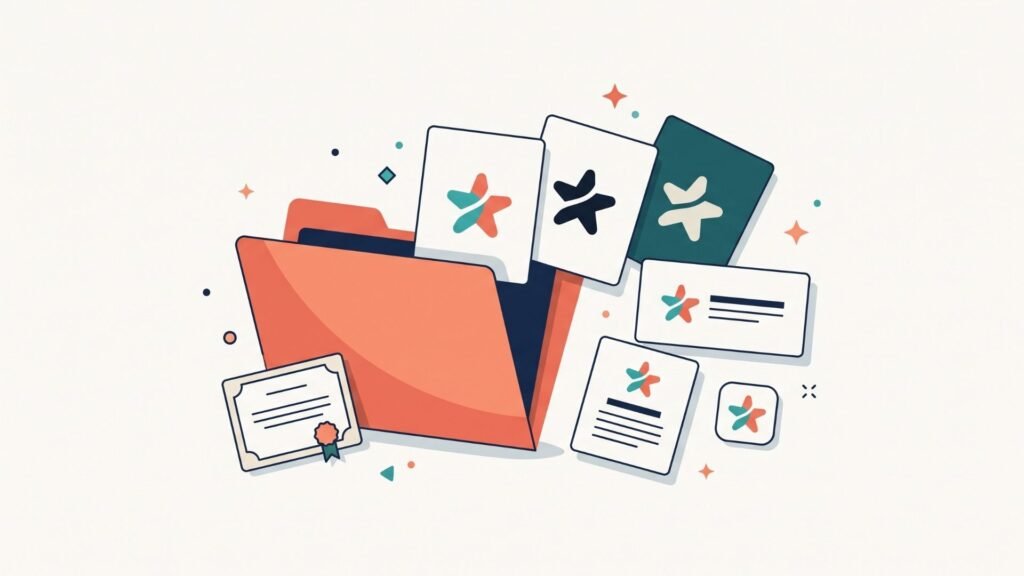
- Vector files (AI, EPS, SVG or PDF). These scale to any size without blurring. Sign makers, printers and vehicle wrap companies need them.
- High-resolution PNG files with transparent backgrounds for websites and social media.
- Color versions: full color, one color, black and white, and reversed (white on dark).
- Layout versions: horizontal, stacked and an icon-only mark for small spaces such as social profile pictures.
- Color codes for print (CMYK and, if possible, Pantone) and screens (RGB and HEX).
- Font names and licensing. Many fonts need a commercial license. If your logo uses one, you need to know, and ideally the designer should convert the text to outlines in the final files.
- Written ownership transfer of the final design to your business.
If a designer won’t provide vector files or a clear ownership transfer, look elsewhere.
The Hidden Costs Nobody Quotes
The logo invoice is usually the smallest part of your branding spend. Budget for:
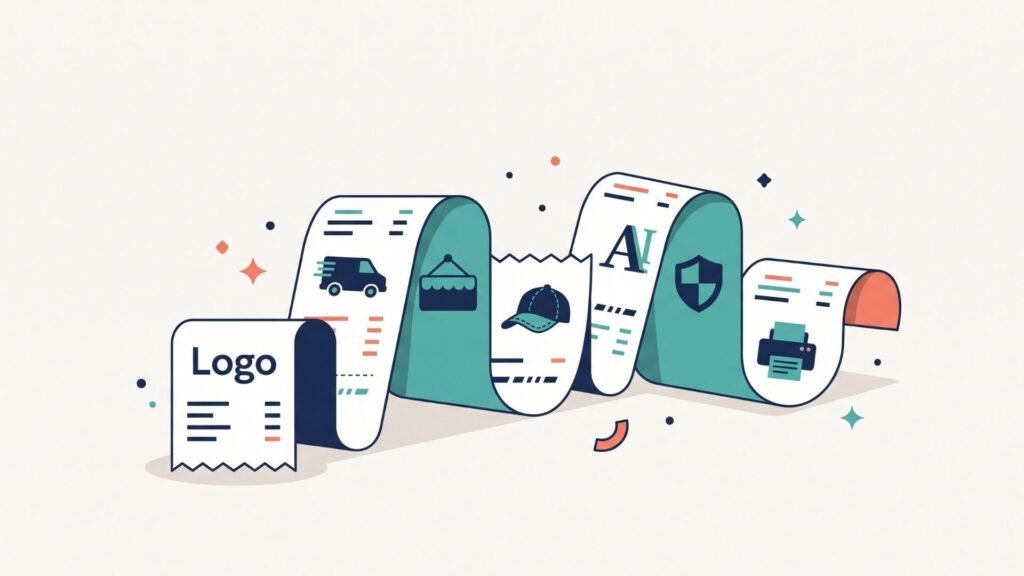
- Vector redraws. If you start with a low-resolution logo, you may later pay someone to rebuild it as a vector before you can print large signage.
- Embroidery digitizing. Shops that stitch logos onto uniforms or caps often charge a one-off fee to convert your design for embroidery machines. Very detailed logos stitch poorly and may need simplifying.
- Signage, vehicle graphics and printing. These often cost far more than the logo itself.
- Font licenses if your logo uses a paid font.
- Trademark registration. In the US, the USPTO’s base application fee has been $350 per class of goods or services since January 2025, with extra charges for custom descriptions, and no small business discount. Attorney fees, if you use one, are separate. The UK and Australia have their own systems and fees, so check the UK Intellectual Property Office or IP Australia.
- Rebranding later. A logo that doesn’t work in practice means replacing it on everything you’ve already printed.
AI Logo Makers: When They Make Sense
AI logo tools are genuinely useful for some businesses. They’re fast, cheap and good for testing ideas. But know the trade-offs:
- Similarity. Other businesses can generate very similar designs, especially in common categories like “bakery” or “cleaning.”
- Protection. The US Copyright Office has taken the position that purely AI-generated material, without meaningful human creative input, isn’t protected by copyright. That can make it harder to stop someone copying your logo. Trademark protection works differently and depends on how you use a mark in business, so speak to a trademark professional if protection matters to you.
- Files. Check exactly which formats you get at each price before paying.
A reasonable approach: use an AI-generated logo as a placeholder while you test the business, then invest in a professional logo once you know the business will last, ideally before you spend heavily on signage or vehicle graphics.
What Each Type Of Business Actually Needs
The right logo depends on where it will appear. The budget ranges below are editorial guidance based on the price tiers above, not survey data.
Bakery
A bakery’s logo works hard on packaging: box stickers, bags, labels, cake toppers, menu boards and a shopfront sign. It needs to be readable at sticker size and look good on brown kraft paper as well as white.
Watch for: Fine detail and thin script lettering that blurs when printed small; clichés such as whisks and rolling pins that make you look like every other bakery; colors that print well on food packaging.
Sensible budget: An experienced freelancer, roughly $300 to $1,500, plus a separate budget for packaging and labels.
If you sell online: Many bakeries now take pre-orders, ship cookies or offer local delivery. If you’re setting up online ordering, a platform such as Shopify lets you build a store with local pickup and delivery options and use your logo across your site and checkout.
It suits bakeries selling products such as boxed goods, gift sets or pre-orders; it’s less useful if you only sell over the counter. Compare plan costs and fees against your expected online sales, and if online ordering fits, explore Shopify to see whether it fits your bakery.
Barbershop
A barbershop logo appears on window vinyl, a street sign, staff apparel, product labels and, very importantly, social media profile pictures. Many clients find barbers through Instagram and Google Maps, so the logo must read clearly in a small circle.
Watch for: Detail that won’t embroider well on caps and aprons; barber pole and razor imagery that blends in with every other shop nearby; logos that only work in full color when window vinyl and embroidery often use one.
Sensible budget: Roughly $200 to $1,000 for a freelancer. Ask specifically for a one-color version and an icon version.
Cleaning Business
Cleaning companies often get their logo seen most on vehicles, uniforms, yard signs and door hangers. A logo on a van has to be recognizable from across a street in a couple of seconds.
Watch for: Sparkles, bubbles and mops that every competitor uses; tiny text or taglines that disappear on a moving vehicle; colors that look dull from a distance.
Sensible budget: Roughly $200 to $800 for the logo, with a larger budget for vehicle graphics and uniforms. Ask the designer to show the logo mocked up on a van and a polo shirt.
Real Estate Agent
Real estate has rules most logo guides ignore. Before commissioning anything, check two things:
- Your brokerage’s policy. Many brokerages control how agents brand themselves, and some require approval of personal logos or team names. Your personal brand usually has to appear alongside the brokerage’s name and branding, not instead of it.
- Your local licensing rules. Real estate advertising is regulated by state or regional authorities, which may set requirements on how the brokerage is identified and which terms agents can use. For example, Texas guidance says agent advertising shouldn’t imply the agent is responsible for operating a brokerage, and lists terms such as “brokerage,” “company” and “associates” that sales agents shouldn’t use in their names.
In the US, also note that REALTOR® is a trademark of the National Association of Realtors. Only NAR members may use it, and NAR’s rules say the term can be used next to a name but not as part of a business name. Don’t build “Realtor” into your logo artwork without checking those rules.
Watch for: Logos that compete with your brokerage’s brand on yard signs; designs that don’t work alongside a headshot on property flyers and social media.
Sensible budget: Roughly $300 to $1,500 for a personal or team mark, after confirming your brokerage’s requirements.
Quick Comparison By Business Type
| Business | Where the Logo Works Hardest | Must-Have Versions | Budget Beyond the Logo |
|---|---|---|---|
| Bakery | Packaging, stickers, shopfront, menus | Small-size version, works on kraft paper | Packaging and labels |
| Barbershop | Social media, window vinyl, apparel | Icon version, one-color version | Embroidery digitizing, signage |
| Cleaning Business | Vehicles, uniforms, yard signs | Bold horizontal version readable at distance | Vehicle graphics, uniforms |
| Real Estate Agent | Yard signs, flyers, social media | Version that sits beside brokerage branding | Signs and print materials |
How To Brief A Designer (And Get A Better Logo For The Same Price)
A clear brief often improves results more than a bigger budget. Include:
- Your business name exactly as it should appear, and any tagline.
- What you do, who your customers are, and what makes you different.
- Three competitors and what you don’t want to look like.
- Where the logo will be used, in order of importance (van, sign, cups, Instagram).
- Two or three logos you like, from any industry, and why.
- Colors you love or must avoid.
- Any rules you must follow (for agents, your brokerage’s guidelines).
Logo Design Mistakes That Cost The Most
- Accepting only a PNG. You’ll pay again for a vector version later.
- Ordering signage before testing the logo on real materials.
- Using a font you don’t have a license for.
- Going too detailed. Fine lines and small text don’t survive embroidery, stickers or signs.
- Copying a big brand’s style too closely. It looks cheap and can create legal problems.
- Skipping the ownership transfer in writing.
- For agents: designing before checking brokerage and licensing rules.
An illustrative example. Imagine a cleaning company that buys a $40 logo with delicate script lettering and sparkle graphics, delivered as a single small PNG. Six months later it orders van graphics.
The wrap company can’t use the file and charges to redraw it, then points out that the script is unreadable at distance. The owner ends up paying for a redesign and a second set of uniforms. A clearer brief and a proper file set at the start would have cost less overall.
Do It Yourself, Use AI, or Hire A Designer?
| Your Situation | Sensible Choice |
|---|---|
| Testing a business idea, very tight budget | Free design tool or AI maker as a placeholder |
| Launching properly, one location | Experienced freelancer |
| Want to see lots of options and can’t decide on a style | Design contest platform |
| Already have a logo but only a low-quality file | Vector redraw service |
| Several locations, franchising plans or investors | Branding studio or agency |
| Real estate agent joining a brokerage | Check brokerage rules first, then a freelancer |
Hiring A Logo Designer: How To Choose Well
Freelance marketplaces make it easy to find designers at every price, which is also why choosing carefully matters.
Match the designer to the job:
- For a new logo with a full file set, compare logo designers whose portfolios show original work for small businesses, not just mockups.
- For a logo plus colors, fonts and usage rules, a brand identity designer can create a simple brand guide so everything you print looks consistent.
- If you already have a logo but only a blurry file, find a vector redraw specialist to rebuild it properly before you order signs.
- For bakeries and product sellers, a packaging and label designer can apply your logo to boxes, stickers and labels.
- For cleaning companies and trades, review vehicle wrap and signage designers who can show the logo working at real-world sizes.
- For a short guide to using your brand, a brand style guide designer can document colors, fonts and do’s and don’ts for staff and printers.
What good work should deliver: The full file set listed earlier, a short note explaining the design choices, mockups showing the logo on your real uses, and written transfer of ownership.
Prepare before hiring: Your written brief, examples of logos you like, a list of where the logo will appear, and (for agents) your brokerage’s branding guidelines.
Ask before ordering:
- How many concepts and revision rounds are included?
- Which file formats will I receive?
- Will you transfer full ownership in writing?
- Which fonts will you use, and are they licensed for commercial use?
- Is the design original, or based on a template or AI generator?
- Can you show the logo on my van, sign or packaging before I approve it?
Red flags: Portfolios full of famous-brand lookalikes; extremely cheap packages that include “unlimited revisions” and every file type; refusal to provide vector files; no mention of ownership transfer; and designers who won’t say whether work is template-based or AI-generated.
Comparing offers: Don’t compare logos on price alone. Compare concepts, revisions, file sets, ownership terms and whether the designer asked useful questions about your business. A $400 package with full files and rights can be better value than a $100 one you’ll have to replace.
Logo Cost Checklist
- Decide where the logo will be used most
- Choose a route that fits your stage: placeholder, freelancer or studio
- Write a clear brief with competitors and examples
- Confirm concepts, revisions and timeline before paying
- Require vector files, transparent PNGs and all color versions
- Get font names and confirm commercial licensing
- Get written ownership transfer
- Test the logo on real materials before ordering signage
- Budget separately for signage, packaging, vehicles and uniforms
- Consider trademark registration once the name and logo are settled
- Real estate agents: check brokerage and licensing rules first
Logo Cost FAQs
How much should a small business pay for a logo? Many small businesses spend roughly $300 to $2,500 for a professional logo from an experienced freelancer or small studio. Tighter budgets can start with AI tools or budget designers, while multi-location businesses may need an agency.
Is a $50 logo good enough? It can work as a placeholder, especially for a simple text logo. Make sure you get vector files and ownership, and expect to invest more later if the business grows.
Do I own my logo after paying a designer? Only if ownership is transferred. Get it in writing, including on marketplaces and contest platforms.
Should I trademark my logo? If your business name and logo are central to your brand and you plan to grow, it’s worth considering. In the US, the USPTO base filing fee is $350 per class, plus any attorney fees.
Can I use an AI-generated logo? Yes, but it may look similar to others and may be harder to protect under copyright. Treat it as a starting point if protection and uniqueness matter.
How long does a logo take? AI tools take minutes. Freelancers commonly take one to three weeks depending on concepts and revisions. Agencies often take longer because they include research and strategy.
Where To Start
Before you spend anything, write down the five places your logo will appear most: your van, your sign, your Instagram profile, your boxes, your yard signs.
Then choose a route and brief your designer around those uses, and insist on the full file set and written ownership. That one list will protect you from most of the hidden costs in this guide.
Once your logo is ready, put it to work. Add it to your Google Business Profile so nearby customers recognize you on Google Maps. Our guide to local SEO for small business shows you how to set up that profile and start showing up when people search for businesses like yours.
1 thought on “How Much Does a Logo Cost for a Small Business? A Price Guide”