
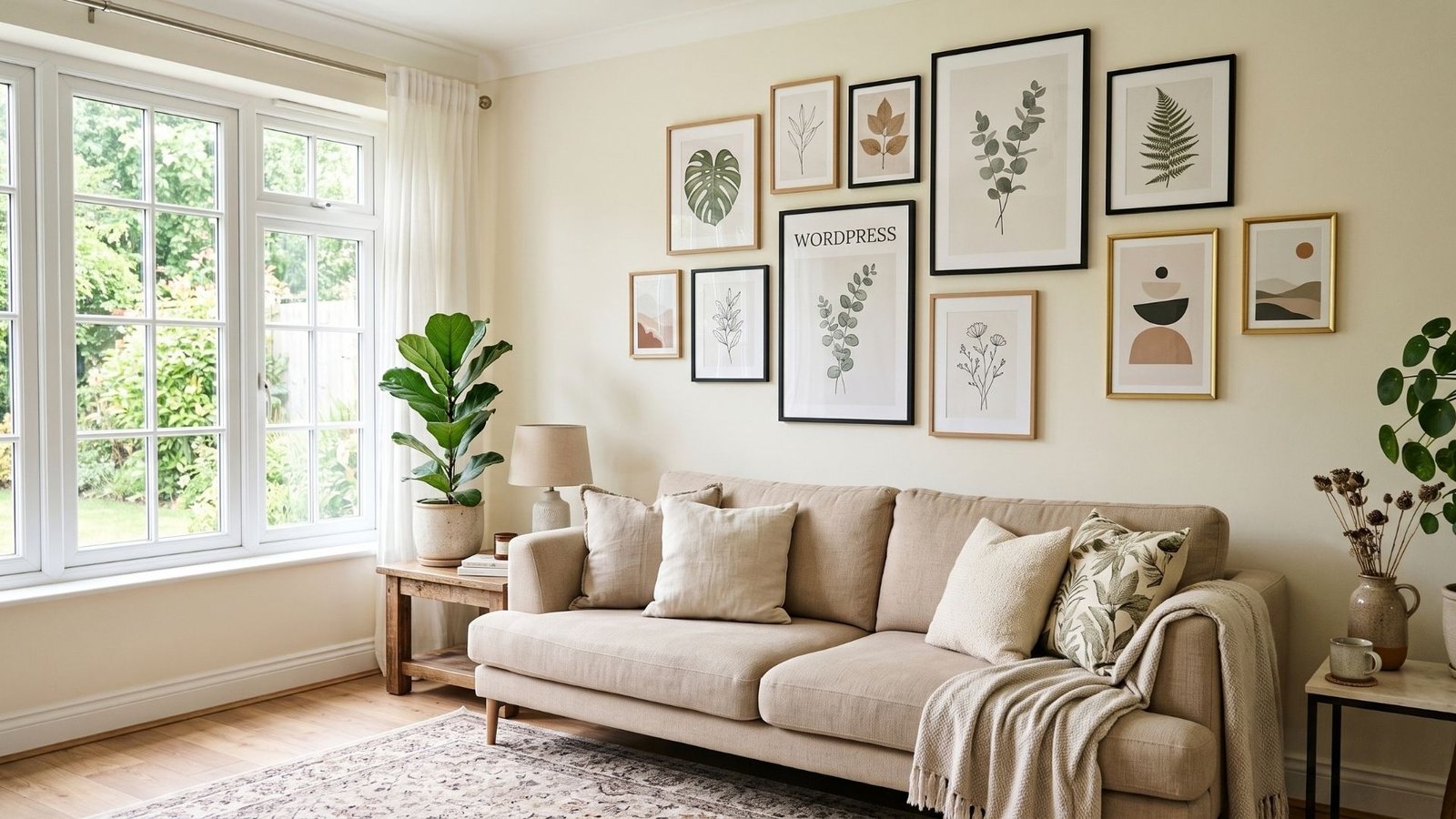
Disclosure: some links in this post are affiliate links. If you buy or sign up through them, I may earn a small commission at no extra cost to you. I only recommend tools and services I’d use myself.
If you want to sell art prints online, here’s the part nobody tells you: you don’t need to be a great artist. You need to be a good operator.
The sellers making steady money from prints aren’t always the most talented painters. They’re the ones who picked a clear niche, made their listings look like real rooms, and showed up on Pinterest every week. Those are skills anyone can learn.
And the timing has never been better. Print-on-demand companies now handle printing, packing, and shipping for you, so you never touch inventory.
Pinterest is where people plan the rooms they’re decorating, and wall art is exactly what they pin. The tools are cheap, the demand is there, and the setup takes a weekend.
This guide walks you through the whole process in seven steps, from picking a niche to getting your first sales, with real costs at the end so you know exactly what you’re signing up for.
Already know you want your own store? Start your Shopify trial here and follow along as you read.
Step 1: Pick Your Niche
The biggest beginner mistake is selling “art.” Nobody searches for “art.” They search for “minimalist line art for bedroom” or “vintage botanical print for kitchen.” A niche tells buyers, and Pinterest, exactly who your shop is for.
Here are five niches worth considering in 2026:
| Niche | Competition | Typical print price | Why it sells |
|---|---|---|---|
| Minimalist line art | High | $20 to $45 | Fits almost any room, popular with renters and first-home buyers |
| Vintage and retro posters | High | $25 to $50 | Nostalgia sells, works well in sets of three |
| Pet portraits | Medium | $30 to $150+ | Emotional purchase, perfect for custom upsells |
| Maximalist gallery wall art | Medium | $25 to $60 | Buyers purchase several prints at once |
| City maps and local art | Low to medium | $30 to $70 | Strong gift appeal, easy to personalize |
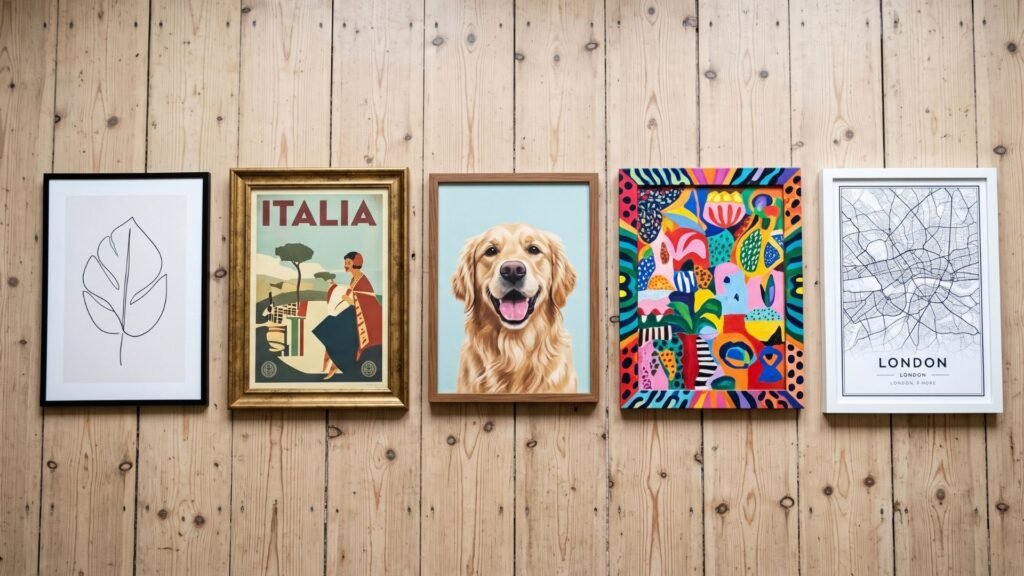
How to choose: high competition isn’t a dealbreaker. It proves people are buying. But if you’re starting from zero, a medium or low competition niche lets you get noticed faster. Pet portraits and city maps also open the door to custom orders, which are the most profitable part of this business (more on that in Step 7).
Pick one niche and commit for 90 days. You can expand later. Shops that sell a little of everything look like nobody’s favorite.
Step 2: Source or Create the Art
You have three ways to fill your shop.
Option 1: Make it yourself. If you draw, paint, or design, this is the cheapest route and gives you full control. Scan physical work at 300 DPI or higher, or create digital files at your largest print size.
Option 2: License existing art. Some artists and stock sites sell commercial licenses for prints. Read the license closely. Many allow personal use or digital use only, and printing someone else’s work without the right license can get your shop shut down.
Option 3: Hire a designer. This is how many successful print shops start. You come up with the concept, a designer brings it to life, and you own the rights to sell it. On Fiverr, wall art designs usually cost $10 to $100 each, depending on detail and style.
If you go this route, browse Fiverr designers who create custom wall art. A few tips that save money and headaches:
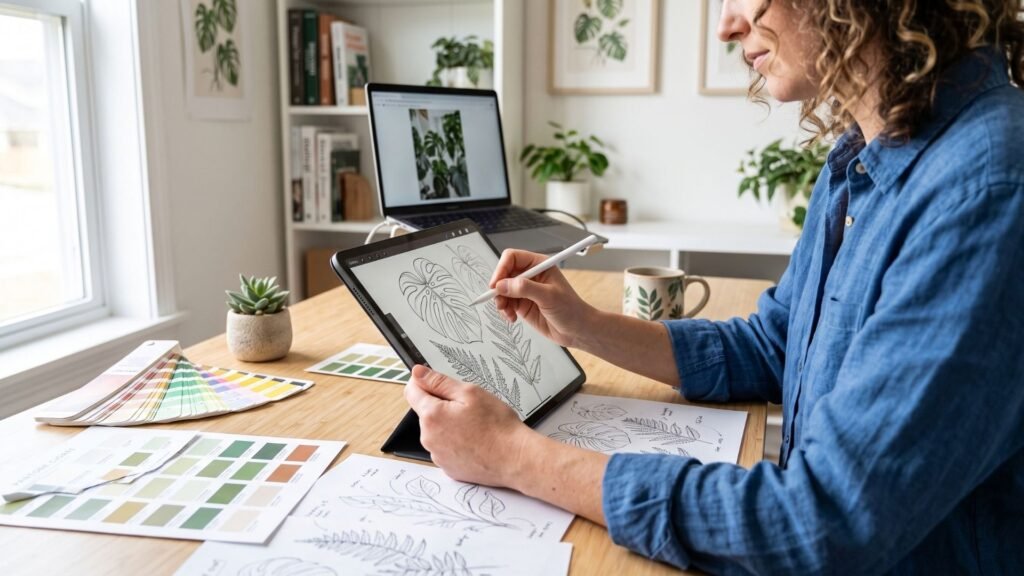
- Look for “commercial use” in the gig. Many sellers charge a small extra for it. Without it, you may not have the right to sell prints of the design.
- Ask for high-resolution files sized for your largest print, usually 18 x 24 inches or bigger at 300 DPI.
- Order a set, not a single design. Three or five designs in one matching style cost less per piece and sell better together.
- Send clear references. Share two or three example prints you like and describe the colors and mood. The clearer your brief, the fewer revisions you need.
Start with 10 to 15 designs. That’s enough for your shop to look established without spending your whole budget before you’ve made a sale.
Want the full list of freelancers worth hiring? Here are the 10 Fiverr gigs every art print seller needs.
Step 3: Choose Your Platform: Etsy vs Shopify
This is where most beginners get stuck. Here’s the honest comparison.
| Etsy | Shopify | |
|---|---|---|
| Startup cost | One-time setup fee for many new sellers, plus $0.20 per listing | Monthly plan, Basic starts at $39/month ($29 billed yearly) |
| Fees per sale | 6.5% transaction fee plus about 3% + $0.25 processing (US) | Standard card processing, no extra fee with Shopify Payments |
| Built-in traffic | Yes, buyers already search there | No, you bring your own (Pinterest, social, email) |
| Control over branding | Limited, your shop looks like every other Etsy shop | Full control of design, pricing, and customer experience |
| Customer relationship | Buyers belong to Etsy | Buyers belong to you, so you can email them again |
| Ads | Offsite Ads can take 12% to 15% of some sales | You choose if and where to advertise |
My verdict: Etsy is great for testing. You can list a few designs, see what gets attention, and learn what buyers want without a monthly bill. Shopify is where you build a brand. Once you know what sells, having your own store means lower fees on every order, a shop that looks like yours, and a customer list you can sell to again and again.
Plenty of sellers run both: Etsy to find new buyers, Shopify to keep them.
If you’re ready to build something you actually own, start your Shopify trial here. Shopify usually offers a short free trial and a discounted first few months, so you can set up your store and test it before paying the full price.
Step 4: Set Up Your Shopify Store
A print shop doesn’t need to be complicated. Here’s what matters.
The pages you need:
- Homepage: one strong image of a print hanging in a real room, a short line about your style, and links to your best sellers.
- Collection pages: group prints by theme, style, or room (for example, “Kitchen Prints” or “Black and White Line Art”).
- Product pages: mockups, size options, paper details, and a short description written for the buyer (“Adds warmth to a neutral bedroom wall”), not for you (“Inspired by my trip to Portugal”).
- About page: a few honest sentences about who you are and why you started. People buy art from people.
- Shipping and returns page: clear delivery times and what happens if a print arrives damaged.
How to price your prints: multiply your print-on-demand cost by 2.5 to 4. If a 12 x 16 print costs you $12 to produce and ship, price it between $30 and $48. Start near the middle. You can test higher prices once reviews come in. Don’t compete on being the cheapest. Buyers who want a $9 print are shopping at big box stores, not your shop.
Offer three to four sizes. A small size under $30 gets first-time buyers in the door. A large size gives people who love a piece a way to spend more.
The one app that matters: your print-on-demand app. Printful, Printify, and Gelato all connect to Shopify, and each one prints, packs, and ships orders automatically when someone buys.
Order a sample of your best seller before launching so you can check the paper and colors yourself. Skip the rest of the app store for now. Most new shops install ten apps and slow their store down for nothing.
Step 5: Mockups That Sell
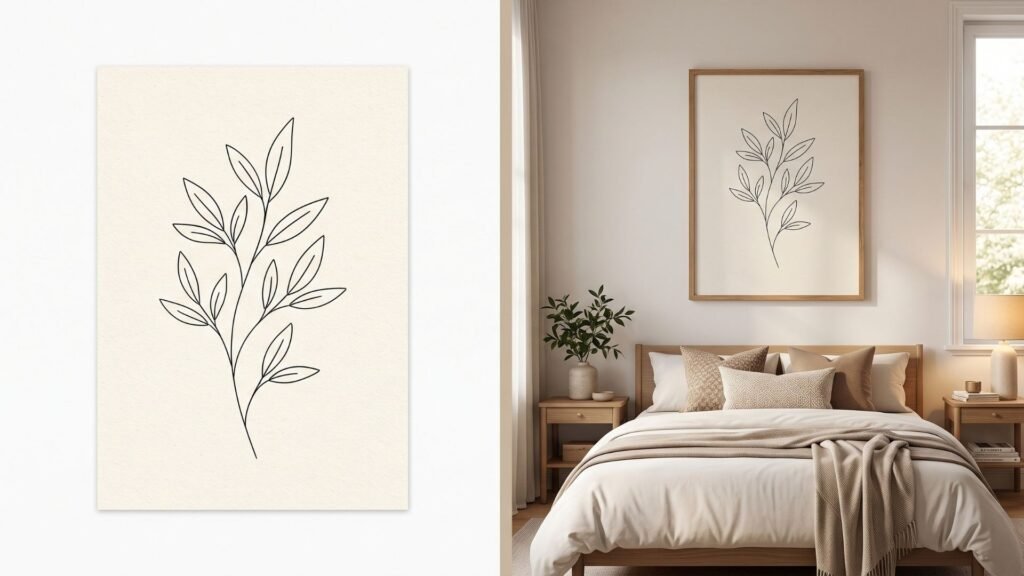
Here’s a truth that surprises most beginners: people don’t buy the art file. They buy what it will look like on their wall.
A flat image of a print on a white background tells buyers almost nothing. The same print hanging above a sofa, in a nicely lit living room, tells them everything. Good mockups can make an average design sell, and bad mockups can sink a great one.
What every product needs:
- One clean, straight-on image of the print
- Two or three room mockups (living room, bedroom, office, whatever fits the style)
- One size comparison image showing the print next to furniture, so buyers know how big it really is
- One close-up showing paper texture or detail
DIY or hire? You can make mockups yourself in Canva or Photoshop using templates, which is free or close to it but takes time to get right. Or you can hand the job to a mockup specialist. On Fiverr, a set of mockups usually runs $5 to $25 per design, and good sellers deliver in a day or two.
If your time is worth more than a few dollars an hour, hire a Fiverr mockup specialist for your first batch. Ask for room styles that match your buyer. A boho print looks wrong in a sleek modern room, and buyers notice.
Mockups are one of the 10 Fiverr gigs every print seller should know about .
Step 6: Build Your Pinterest Traffic System
Etsy has built-in traffic. Shopify doesn’t. For a print shop, Pinterest is the answer.
Pinterest works differently from other social platforms. People go there to plan purchases, and a good pin can keep sending visitors to your store for months or even years. Wall art fits perfectly because people are literally building boards for the rooms they’re decorating.
Here’s the system I use:
10 pins per product. Don’t pin a product once and move on. Make ten different pins for each print: different mockups, different rooms, different text overlays. Each pin is another chance to show up in search.
Lead with room mockups. Pins showing a print in a styled room perform far better than the plain print. Here’s an example of a room mockup pin that keeps sending me traffic.
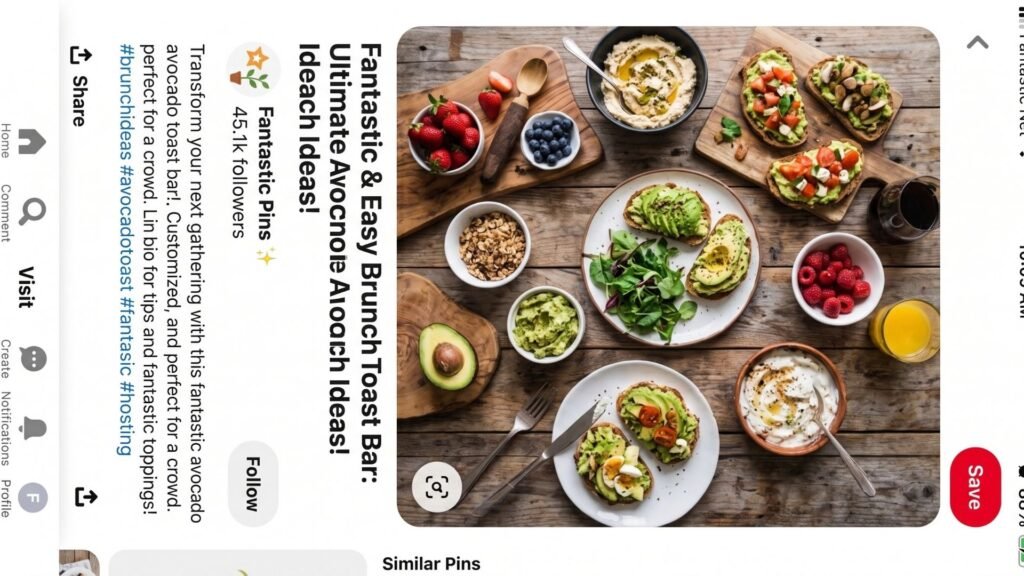
Use this keyword formula: [style] + [product] + [room or use]. For example:
- “Minimalist line art print for bedroom”
- “Vintage botanical poster for kitchen wall”
- “Custom dog portrait gift for pet lovers”
Put that phrase in your pin title, the first line of your description, and your board name. Pinterest is a search engine first, and this is how it figures out who to show your pins to.
Pin consistently. Three to five fresh pins a day beats thirty in one afternoon and nothing for two weeks. Schedule them in batches so it takes an hour or two a week.
Create boards by room and style. Boards like “Bedroom Wall Art Ideas” or “Gallery Wall Inspiration” attract the exact people you want. Mix your own pins with a few from others so the boards feel useful, not like an ad.
Give it 60 to 90 days. Pinterest is slow to start and hard to stop once it picks up.
Step 7: The Custom Upsell (Where the Real Margin Is)
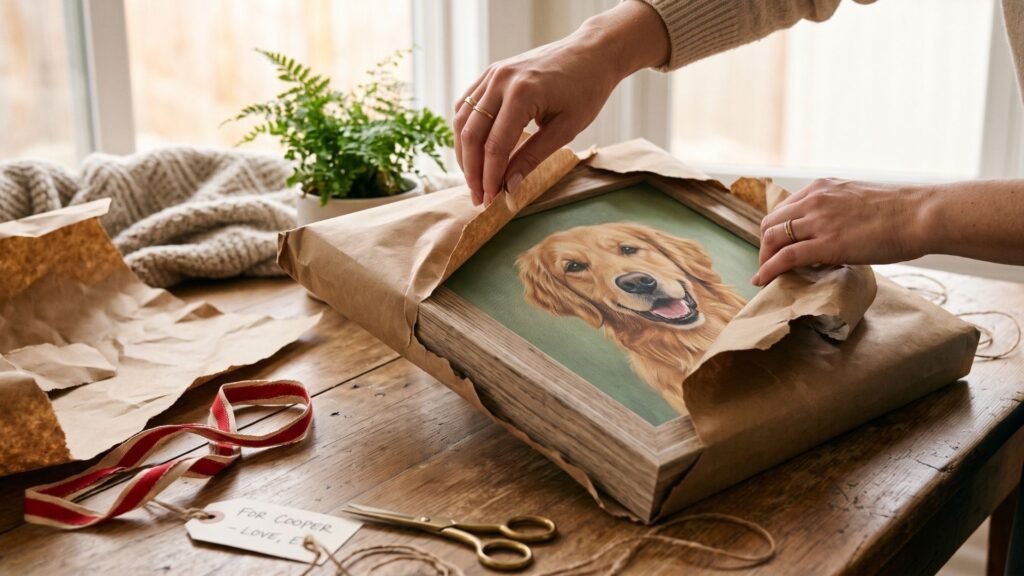
A standard print might earn you $15 to $25 in profit. A custom piece can earn you $50 to $150 or more on a single order.
Personalized art sells for more because the buyer can’t get it anywhere else. Custom pet portraits, family portraits, wedding venue illustrations, maps of where a couple met. These are gifts people pay extra for, and they rarely shop around on price.
The best part: you don’t have to draw them yourself.
Here’s how it works:
- Add a custom product to your store with a photo upload field. A product personalization app from the Shopify App Store handles this in a few minutes.
- When an order comes in, send the customer’s photo and notes to a freelance artist.
- The artist delivers the finished file, usually within a few days.
- Upload the file to your print-on-demand app, and it ships to your customer.
On Fiverr, custom portrait and illustration artists typically charge $15 to $150 depending on style and detail. If you pay an artist $40 and sell the finished framed print for $120, that’s a healthy margin even after printing costs.
To make this work smoothly:
- Build a small roster. Find two or three artists whose style matches your shop and test each with one order before promising customers anything.
- Confirm commercial rights in writing before the first order.
- Set realistic delivery times on your product page. Add the artist’s turnaround, the print time, and shipping, then add a few days of buffer.
- Always send customers a preview before printing. It prevents almost every refund.
Pet portraits are the easiest custom product to start with. If you want to understand what buyers look for, read my breakdown of custom pet portraits on Fiverr, Etsy, and Amazon.
What It Really Costs: Your First 90 Days
Here’s a realistic budget for a lean start and a more comfortable one. These are estimates, so check current prices before you buy.
| Expense | Lean start | Comfortable start |
|---|---|---|
| Shopify plan (with intro offer) | $3 to $40 | $40 to $120 |
| Domain name | $15 | $15 |
| Designs (10 to 15 pieces) | $0 (make your own) | $200 to $500 (hired) |
| Mockups | $0 (DIY templates) | $50 to $150 |
| Print samples | $20 to $40 | $50 to $80 |
| Print-on-demand app | Free | Free |
| Free | Free | |
| Total | About $38 to $95 | About $355 to $865 |
You don’t pay for printing until a customer orders, and their payment covers it. That’s what makes this one of the lowest risk businesses you can start.
Frequently Asked Questions
Do I need to be an artist to sell art prints online?
No. Many successful print shops are run by people who come up with ideas and hire designers to create them. What matters more is choosing a niche, presenting your prints well, and getting traffic. If you do hire designers, make sure you have commercial rights to every piece.
How much can I make selling art prints?
It depends on your niche, prices, and how consistently you market. A typical print earns $10 to $25 in profit, and custom pieces can earn much more. Most new shops earn little in the first couple of months while Pinterest builds up, then grow from there. Treat the first 90 days as learning, not income.
Should I start on Etsy or Shopify?
If you want to test ideas with almost no monthly cost, start on Etsy. If you want a brand, lower fees, and customers you can email again, start on Shopify. Many sellers test on Etsy first, then move their best sellers to Shopify once they know what works.
How long until I make my first sale?
On Etsy, some sellers get a first sale within a few weeks. On Shopify, where you bring your own traffic, it often takes one to three months of steady pinning. The sellers who give up usually quit right before their pins start working.
Do I need to handle printing and shipping myself?
No. Print-on-demand apps like Printful, Printify, and Gelato print and ship every order automatically. You never hold inventory.
Your Next Step
You now know more about selling art prints than most people who open a shop. Here’s the whole plan in one line: pick a niche, get 10 to 15 designs, build your store, make great mockups, pin every day, and add custom pieces once the basics work.
The hardest part is starting. Set up your Shopify store today, and if you need designs, find a Fiverr artist for your first collection. Ninety days from now, you’ll be glad you didn’t wait.
2 thoughts on “How to Sell Art Prints Online in 2026: The Beginner’s Step-by-Step Guide”